
The Eight Highway Code Changes All Drivers Need to Know 2022
The Eight Highway Code Changes All Drivers Need to Know 2022
You may not be aware, but The Highway Code underwent a significant number of changes at the end of January this year (2022). These changes cover the priority given to pedestrians when they are crossing road junctions, and cyclists when passing a moving car – amongst others.
Safe driving is a priority for us here at Cartime, so, with that in mind, let’s take a closer look at the eight Highway Code changes all drivers need to know.
H1: A new hierarchy of road users
The introduction to The Highway Code has now changed to include a new hierarchy of road users – with those road users deemed to be most at risk of collision being placed at the top of the hierarchy. This new principle applies very strongly to HGV & LGV drivers, Cars and Motorcycles, but also covers cyclists and horse riders as well.
H2: Pedestrians crossing the road at Junctions
If pedestrians are waiting to cross the road at a junction, the update Highway Code now states that all other traffic should give way. If the pedestrian has already started to cross then they have right of way, and all traffic needs to give way to them.
Before the changes, traffic only had to give way at Zebra crossings if there were already people on the crossing, but the recent updates mean that vehicles, motorbikes and cycles now have to give way to people that are waiting to cross as well.
H3: Walking, Cycling or Riding in Shared Spaces
New guidance has been added to The Highway Code to cover any routes or spaces that are shared by people, cycles and horses.
People that are cycling, horse riding or using a horse drawn cart in these shared spaces should put the safety of pedestrians first – but pedestrians also need to take not to obstruct or endanger other path users.
H4: Position of cyclists in the road
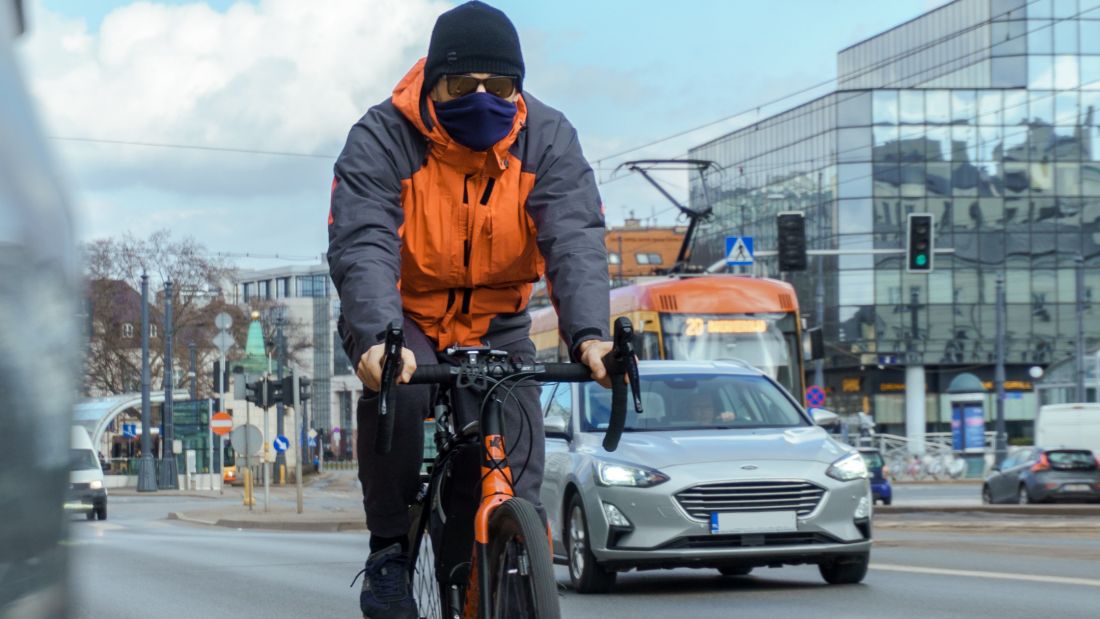
The Highway Code also updated their guidance for cyclists on roads encouraging them to position themselves in the centre of the road lane at certain points:
- Quiet roads
- Slower-moving traffic
- Approach to junctions or road narrowing
Cyclists should also aim to keep themselves at least 0.5 metres away from the kerb edge when riding on roads where the traffic is fast flowing
It goes on to state that people cycling in large groups can ride two abreast, although they should be aware of people driving behind them and move to single file or stop to allow vehicles to overtake.
H5: Overtaking when driving or cycling
If someone is cycling or riding a horse and they are going slower than 10mph, then vehicles are now allowed to cross a double white line to overtake them.
However, you should be aware of the other rules that cover overtaking vulnerable road users, which include:
- Leaving at least 1.5 metres when you are overtaking people cycling at speeds up to 30mph – with more space given at higher speeds
- Allowing 2 metres of space and not exceeding 10mph when passing people riding horses or horse-drawn vehicles or people walking in the road (when there is no pavement)
H6: People cycling at Junctions
The Highway Code has also been updated to make the rules that cover priority when people turning in or out of a side road clearer.
If people are cycling and they want to turn right at a junction, they should make themselves as visible as possible, and avoid being overtaken (where this would be dangerous).
If cyclists are going straight ahead at a junction, then they now have priority over traffic waiting to turn in or out of a side road – unless the road markings or signs indicate differently.
It is wise for cyclists to be aware of vehicles who may be crossing their path, as if the vehicle is driving ahead of them, it may not see them.
H7: People cycling or riding horses at a roundabout
The newly updated Highway Code now clarifies that people cycling on roundabouts have priority over vehicles and motorbikes. People driving or riding motorcycles should:
- Not attempt to overtake cyclists
- Allow cyclists to move across their path as they travel around the roundabout
H8: Parking, charging and leaving vehicles
The code now recommends all car drivers use a new technique called the “Dutch Reach” when they are leaving a vehicle.
This entails using the opposite hand to the side the door is located on to open the car door e.g., using your left hand to open a door that is positioned on your right-hand side.
This change has been made to encourage people to look over their shoulder when exiting a vehicle to ensure they are not going to strike a pedestrian, cyclist or horse with their door.
There is also new guidance for those using electric car charging points as well including parking as close to the charge point as possible so you don’t create a trip hazard with cables, displaying a warning sign (if you can), and returning cables neatly when you have finished using the charging point.
It is important to stay up to date with the Highway Card as it is a legal requirement that covers all road users.
Another big thing that happened in January was the introduction of Cartime’s New Year Swap & Save Challenge, where we are offering you the best ever price when you part exchange an old car!
To find out more, speak to one of our experienced team members by calling 0161 885 0676.